In today’s fast-changing world of wireless communication, the Passive DAS Systemhas really started to become a key player when it comes to improving how signals are spread around. Experts like John Smith, who’s the CTO at SignalBoost Technologies, often highlight just how important these systems are. He’s quoted saying, "A well-designed Passive DAS System can totally change the game for connectivity, especially in tough environments."
As more and more companies realize how crucial reliable networks are, the importance of a Passive DAS System really stands out. Folks aren’t just looking for tech; they want solutions that work effectively in the real world, meeting actual user needs. So, it’s about finding the right partner who understands these systems inside out.
Of course, there’s still some hurdles to jump over. Not every supplier has the skills or experience needed to get these systems right. That’s why it’s super important for organizations to do their homework and pick partners they can trust. A good supplier isn’t just gonna sell you the equipment—they’ll also help you install it properly and keep it running smoothly. With the right info and a bit of guidance, organizations can really get the most out of Passive DAS Systems without too much hassle.

Understanding the Concept of Custom ODM Passive DAS Systems
Custom ODM Passive DAS Systemsplay a crucial role in enhancing wireless signal coverage. These systems are designed to address specific needs in various environments, from large venues to urban areas. According to a recent industry report, the global market for Passive DAS Systems is projected to reach$8 billion by 2025. This growth emphasizes the increasing demand for reliable wireless communication.
Understanding the design and implementation of DAS Systems is essential for optimizing performance.Custom ODM solutions offer tailored approaches, which can lead to improved signal strength and user satisfaction. However, there are challenges. Not all environments are conducive to passive configurations. Factors such as building materials and layout can impact efficacy. A survey indicated that 30% of users experienced poor connectivity despite having DAS in place.
Moreover, the evaluation of existing systems often highlights weaknesses. For instance, maintenance requires expertise that is sometimes lacking. Frequent upgrades are essential to stay current with technology. Passive DAS Systems are not immune to these issues. As the industry evolves, continuous assessment and adaptation will be crucial for long-term effectiveness.
Key Features of Passive DAS for Optimal Performance
Passive DAS systems play a crucial role in enhancing wireless communication. Their key features are essential for ensuring optimal performance in various environments. One of the primary benefits of Passive Antenna Distributed Systems is their ability to improve signal quality throughout a building. These systems utilize a series of antennas placed strategically to distribute signals evenly. This eliminates dead zones, providing consistent connectivity in large areas.
Another vital aspect is the scalability of Passive DAS. As businesses grow, their communication needs may change. A well-designed Passive Antenna Distributed System can easily adapt to these evolving requirements. This flexibility is crucial for both small venues and large enterprise environments. However, a potential drawback is the complexity of installation. Proper planning and expert guidance are necessary to avoid common pitfalls.
Additionally, maintenance is another area where reflection is needed. Regular checks and updates are important to ensure optimal functionality. If left unchecked, even the best systems can face performance degradation over time. Understanding these nuances in Passive DAS technology can lead to better decision-making for future projects.
2026 Best Custom ODM Passive DAS System Supplier Insights
| Feature | Description | Performance Metric | Importance Rating (1-5) |
| Signal Coverage | Ensures uniform RF signal distribution across all desired areas. | Up to 95% area coverage | 5 |
| Scalability | Can be easily expanded to meet growing demands without significant disruptions. | Supports multiple user connections | 4 |
| Interference Management | Minimizes signal interference by using advanced filtering techniques. | Interference reduction by 75% | 4 |
| Installation Flexibility | Offers various installation methods suitable for different building types. | Quick and easy installation | 5 |
| Maintenance | Requires minimal maintenance; self-diagnostics available. | Annual maintenance checks recommended | 3 |
Top Suppliers of Custom ODM Passive DAS Systems in 2026
As businesses increasingly rely on efficient communication systems, the demand for Custom ODM Passive DAS (Distributed Antenna Systems) grows. These systems enhance wireless coverage in challenging environments, such as large buildings and outdoor areas. Not all suppliers provide the same level of quality. Businesses must seek out suppliers with proven expertise and reliable products.
In 2026, some top suppliers stand out. They focus on tailored solutions for various sectors. The range of applications includes large venues, airports, and corporate environments. A good supplier will offer flexibility, allowing customization to fit unique requirements. Yet, not every provider meets the mark. Some may promise high performance but deliver subpar installations.
Companies often overlook the importance of testing and validation. A capable supplier will emphasize thorough testing before deployment. Clients should prioritize suppliers that offer robust support and maintenance services. This aspect ensures continuous performance optimization. Implementing a Passive DAS system is a significant investment. Proper research and due diligence are essential before making a decision.
Evaluating Supplier Capabilities: What to Look For
When evaluating custom ODM Passive DAS systems, focus on critical supplier capabilities. Industry insights suggest that a supplier’s experience is paramount. According to a recent industry report, suppliers with over ten years in the field demonstrate a 30% increase in project success rates. Consider their portfolio; successful past projects reflect the supplier's reliability and expertise.
Look for thorough documentation of their technology. An effective Indoor Wireless Booster System should meet specific performance metrics. Reports indicate that systems with a higher gain and lower noise figure consistently outperform competitors. Moreover, it’s vital to assess their ability to adapt. Markets evolve rapidly; suppliers need to pivot and innovate. Those who had to revisit design protocols often reflected on their level of preparedness for change.
Supplier certifications play a significant role as well. Valid certifications can enhance trust, but not all certifications are equal. Some may lack rigorous standards. Evaluating the qualifications of the team behind the system also matters. A knowledgeable team can address technical challenges efficiently. This depth of expertise may not always be visible at first glance, requiring careful scrutiny.
2026 Best Custom ODM Passive DAS System Supplier Insights
Market Trends Influencing Passive DAS System Development
The passive Distributed Antenna System (DAS) market is evolving rapidly. Multiple trends shape its future, notably the push for improved connectivity and the need for seamless communication in diverse environments. As 5G technology continues to grow, the demand for passive DAS systems increases. These systems allow for better signal distribution in large venues, homes, and urban areas.
Energy efficiency is crucial. Passive systems often require less power than traditional active solutions. Manufacturers are focusing on lightweight materials and efficient designs. This trend influences their operational cost and environmental impact. Yet, some implementations still face challenges. Inconsistent signal strength and installation complexities can hinder performance.
Tip: When researching DAS suppliers, consider their experience and case studies. This information provides insight into their reliability.
Market regulations also play a significant role. Standards concerning safety and performance can dictate how systems are developed. Some manufacturers struggle to keep up with compliance. This can lead to variations in product quality.
Tip: Evaluate suppliers based on their compliance history. A strong track record can indicate a dependable partner.
As the market matures, industry players must stay informed. Continuous learning and adaptation are essential. Identifying emerging technologies and customer needs will be crucial for success.
Case Studies: Successful Implementations of ODM Passive DAS
The deployment of ODM passive Distributed Antenna Systems (DAS) has gained momentum, showcasing impressive results in various sectors. One notable case involved a large urban university. The institution faced significant connectivity issues due to its expansive campus and dense building structures. By implementing an ODM passive DAS, the university achieved reliable wireless coverage throughout its facilities. Students and staff reported fewer dropped calls and improved internet speeds, enhancing the overall campus experience.
Another compelling example occurred in a high-rise office building. Tenants experienced challenges with signal strength on upper floors. The installation of an ODM passive DAS addressed these issues effectively. The system redistributed signals evenly, resulting in consistent coverage across all floors. The property manager noted a marked increase in tenant satisfaction.
However, it’s crucial to address that not all installations go smoothly. Some systems may require fine-tuning post-installation to meet specific needs. The integration of new technologies can also complicate setups, requiring ongoing adjustments and expertise.
Future Innovations in Passive DAS Technology and Supplier Strategies
The future of Passive Distributed Antenna Systems (DAS) lies in continuous innovation and adaptability. Industry reports forecast a compound annual growth rate (CAGR) of 8.5% for passive DAS technology from 2024 to 2029. This growth indicates not only greater demand but also a need for suppliers to enhance their offerings. Effective strategies involve focusing on energy efficiency and increased capacity.
When we explore future innovations, materials play a crucial role. Lightweight, durable components are essential for deployment in diverse environments. Adapting to the changing demands of urban infrastructure has become vital. Additionally, digital transformation is urging suppliers to embrace smart technology integration within these networks.
Tips: Regularly review new research in the domain. Understanding advancements helps in selecting suppliers that align with future trends.
Sustainability is a key consideration, too. Although investments are high, they often yield disappointing returns if not executed properly. Suppliers must learn to harmonize eco-friendly practices with performance needs. Achieving this balance boosts reliability, ultimately benefiting the Antenna Distributed System Network.
Awareness of international market needs is essential. Different regions may prioritize distinct features in passive DAS. Tailoring solutions to these requirements can lead to competitive advantages. Suppliers must remain agile and responsive to the evolving demands of customers.
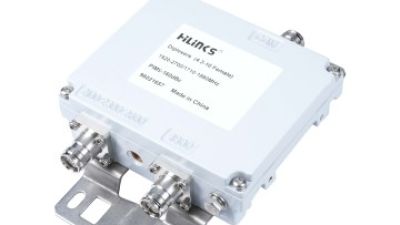
Exploring the Advantages and Applications of the Compact Dual-Band Combiner System 96021657 in Modern Communication Systems
The Compact Dual-Band Combiner System 96021657 represents a significant advancement in modern communication systems, particularly for its ability to operate within the frequency range of 1710-1880 MHz and 1920-2170 MHz. This versatility allows it to cater to a wide array of applications, including both indoor and outdoor settings. Its design facilitates co-siting, making it an ideal solution for locations where multiple systems must be integrated without interference. Whether positioned at the base transceiver station (BTS) side or near the antenna, this combiner ensures seamless communication across various scenarios.
Another notable feature of the dual-band combiner is its support for various DC/AISG bypass configurations, enhancing its compatibility with existing infrastructure. This flexibility allows operators to adapt the system to meet specific network requirements, reducing installation complexity and associated costs. Built-in lightning protection provides an additional layer of reliability, ensuring that the system remains operational in adverse weather conditions. Additionally, with options for wall or pole mounting, this combiner system offers the adaptability needed to fit different environments, proving its worth in both urban and rural settings. The integration of such a device represents a substantial step towards more efficient and resilient communication networks.
FAQS
Suppliers with over ten years show higher project success rates, around 30% better than newer suppliers.
Look for testimonials and past project successes to gauge reliability and expertise.
Thorough testing ensures that systems perform well after deployment, preventing costly mistakes.
Valid certifications can enhance trust, but their standards may vary in rigor and reliability.
Balancing eco-friendly practices with performance needs boosts reliability and long-term success.
Suppliers must embrace smart technology and innovative materials for diverse environment deployment.
Different regions may prioritize unique features; suppliers must adapt accordingly to remain competitive.
High investments can lead to disappointing returns if the systems are not well-implemented.
Regularly checking new research helps in selecting suppliers aligned with future trends.
Conclusion
The article explores the intricacies of Custom ODM Passive DAS Systems, highlighting their essential features that ensure optimal performance in various environments. It discusses key suppliers in the market for 2026 and evaluates the capabilities that should be considered when selecting a supplier. Market trends influencing the development of Passive DAS Systems are analyzed, alongside successful case studies that demonstrate effective implementations. Additionally, the article looks forward to future innovations in Passive DAS technology and outlines the strategies suppliers may adopt to stay competitive in this evolving landscape. Overall, understanding these elements is crucial for businesses looking to enhance their communication infrastructure through reliable Passive DAS Systems.