In today’s fast-changing tech world, it's more important than ever for businesses to have reliable and solid communication solutions. Staying connected smoothly is no longer just an option — it’s a must. You've probably heard of Indoor DAS, or Distributed Antenna Systems, which has become pretty much essential for keeping signals strong in all kinds of environments. When it comes to choosing the right ODM (Original Design Manufacturer) or OEM (Original Equipment Manufacturer) for your Indoor DAS needs, it’s a decision that can really make or break your success.
Honestly, picking a partner might feel a bit overwhelming at times. There’s so much to consider—technical know-how, quality, how much you can customize, and more. People tend to overlook just how crucial vendor support and reliability are too. Skimping on those details can cause big headaches later on. Maybe you’ve run into those annoying moments in crowded spaces where your signal just drops — that’s exactly why making smart, informed choices is key.
Keep in mind, not all Indoor DAS providers are created equal. You’ll hit some highs and some lows along the way. There might be options that sound perfect but don’t quite deliver in real life. Do your homework on potential partners — it’ll pay off and help your business stay competitive. At the end of the day, picking the right Indoor DAS isn’t just a tech thing; it’s a strategic move — one that really impacts how well your business stays connected and thrives.
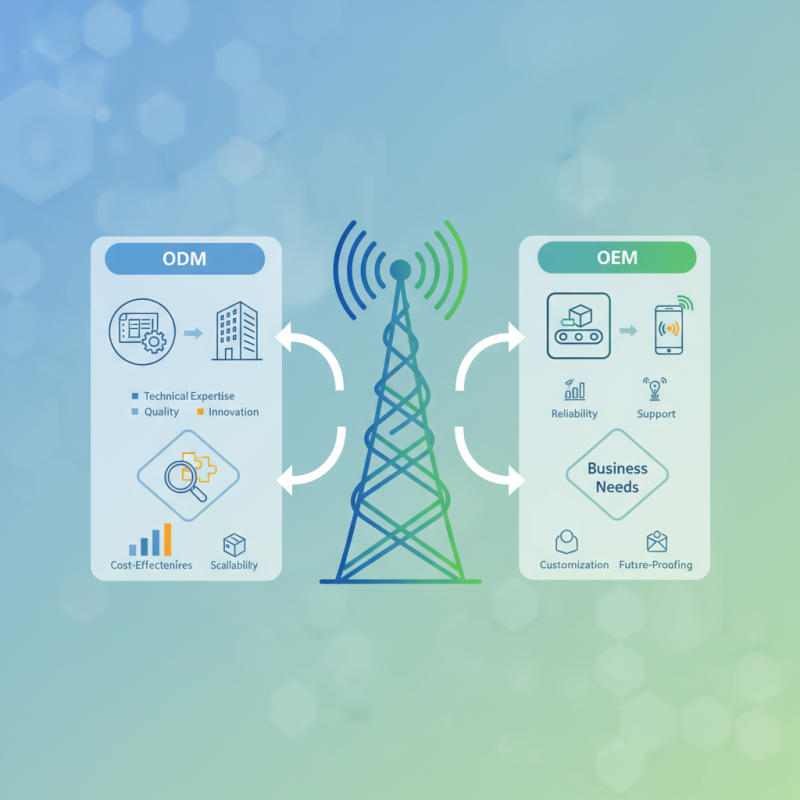
Understanding ODM (Original Design Manufacturer) and OEM (Original Equipment Manufacturer) services is essential for businesses in the DAS (Distributed Antenna System) sector. ODMs develop products based on their designs and specifications. This could mean creating a complete DAS solution tailored to a company's needs. According to a report by Research and Markets, the global DAS market is expected to grow by over 25% between 2022 and 2026. This growth indicates a vital need for competitive design options.
In contrast, OEMs focus on manufacturing products based on designs provided by other companies. They excel in producing existing solutions efficiently. A recent study highlighted that around 35% of companies prefer OEMs due to lower costs and faster market entry. However, depending solely on OEMs could limit product differentiation. Businesses may struggle to stand out if the same technology is available to competitors. The decision of choosing between ODMs and OEMs should align with your unique market strategy.
Choosing the right path is often not clear-cut. The allure of cost-effectiveness can distract from the potential benefits of unique designs. Moreover, many businesses overlook the trade-offs in quality and innovation. Engaging directly with manufacturers also brings its challenges. The risk of miscommunication can lead to subpar products that fail to meet market demands. Engaging with ODMs and OEMs requires careful consideration of your brand's vision and market positioning.
This bar chart compares the key service criteria between OEM and ODM Indoor DAS services. The ratings are based on a scale from 0 to 100, evaluating aspects such as cost, customization capabilities, time-to-market efficiency, scalability, and quality assurance.
When assessing Indoor DAS requirements for your business, start with understanding your coverage needs. Identify areas that require strong signal strength. This may include conference rooms, hallways, and open workspaces. APassive DAS System could be a viable solution for many environments. Think about the square footage and building materials. Concrete and metal can weaken signals significantly.
Next, consider the number of users. High-density areas need robust systems. Without proper planning, you might face performance issues. Evaluate if your current infrastructure can support such systems. In some cases, existing wiring may not suffice. Moreover, budget constraints can limit your options. You might find that less expensive systems could face limitations in larger buildings.
It’s essential to engage with professionals who understand these technologies. Their insights can reveal unforeseen challenges. Customize your approach based on your unique needs. Generic solutions may not adapt well to specific environments. A careful assessment will save time and resources in the long run. Don’t overlook the importance of scalability as your business grows.
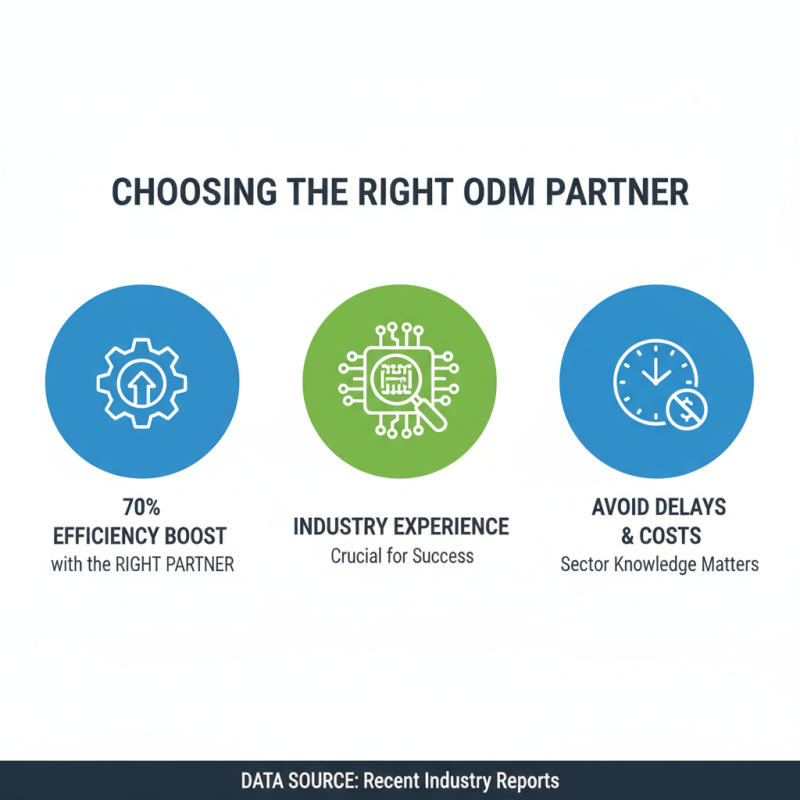
Choosing the right ODM services for your business is crucial. According to recent industry reports, more than 70% of businesses report improved efficiency when partnering with the right ODM provider. Consider their experience in your sector. Not all manufacturers understand specific industry needs. A mismatch can lead to delays and increased costs.
Analyze the provider’s track record. Check for successful projects similar to yours. The right partner should demonstrate a strong portfolio with relevant case studies. This assurance can save you from potential pitfalls.
**Tip:** Always ask for client references. Verifying the experiences of others can highlight strengths and weaknesses.
Evaluate the technology and manufacturing capabilities. A manufacturer with outdated technology may not deliver the desired results efficiently. Ensure the provider embraces innovations in production. An agile ODM can adapt to your business's evolving demands.
**Tip:** Don’t hesitate to request a trial run or pilot project. It can reveal operational challenges early. Be prepared to reflect on what works and what needs adjustment.
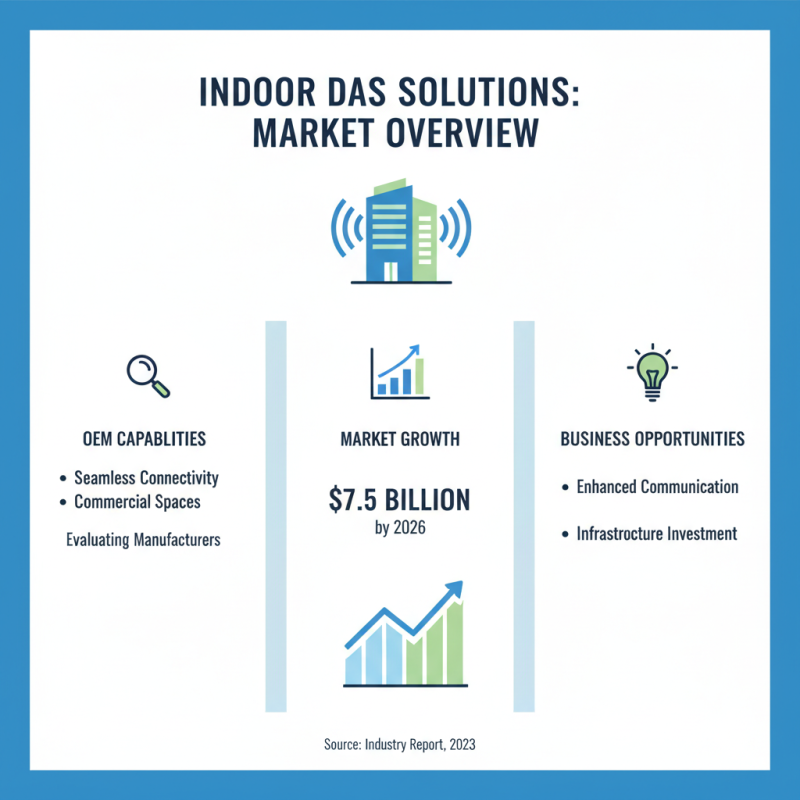
When evaluating OEM capabilities in Indoor DAS solutions, several factors come into play. The growing demand for seamless connectivity in commercial spaces highlights the need for effective distributed antenna systems. According to a recent industry report, the Indoor DAS market is projected to reach $7.5 billion by 2026. This growth presents opportunities for businesses aiming to enhance their communication infrastructure.
Active DAS solutions, known for their ability to amplify signals and distribute them efficiently, should be a focal point. An effective OEM will not only provide technological support but also ensure scalability for future needs. It’s crucial to assess their track record in providing seamless integrations. Verifying customer testimonials and case studies can provide insight into their reliability and performance.
However, evaluating OEMs isn’t without challenges. Many providers claim capabilities that don’t always translate into practical results. Look for transparency in their processes and ask for detailed service plans. Ensure the OEM offers comprehensive training and support. A solid understanding of their installation process and technology is essential. This reflective approach will help businesses make better-informed decisions and ultimately lead to successful implementations.
Choosing ODM and OEM Indoor DAS services can be challenging. Pricing models vary significantly, and understanding these differences is crucial. Generally, ODM models provide all-inclusive services. This can simplify budgeting. OEM models, however, may offer lower initial costs. But beware of hidden fees. It's essential to evaluate the total cost of ownership.
When analyzing pricing, consider the scale of deployment. Larger installations often see a reduction in per-unit cost. However, these projects can carry hidden risks. Unforeseen issues may inflate budgets. Clarify all potential costs upfront to avoid surprises later. Researching various providers is a key aspect in this process.
Tips: Always request a detailed breakdown of costs. Don't hesitate to ask questions about fee structure. Compare not just pricing, but also service quality. A lower price may not equate to better value, especially with a DAS System. Focus on long-term strategic fit rather than short-term savings. Each decision should be reflective. Mistakes in choosing partners can lead to significant impacts on performance and reliability.
When selecting ODM and OEMIndoor DAS services, customer support is crucial. A responsive support team can significantly enhance your experience. You need to assess the level of service they provide. Are they available24/7? How quickly do they respond to inquiries? These questions can reveal their commitment to your success.
Tips: Look for companies that offer comprehensive training. This ensures your team understands the DAS Antenna system fully. Enhanced knowledge leads to better use of the service. Don't ignore the importance of a well-documented FAQ section. It can save you time during troubleshooting.
Moreover, the quality of customer support can make or break your project. Regular check-ins from your service provider are a good sign. They should be proactive, not reactive. Ask for case studies or references about their support history. It is essential to know how they handled past issues. Sometimes, a lack of communication can lead to misunderstandings, causing delays. Reflect on your own needs—be clear about what you require. A mismatch can be frustrating, but clear expectations can help avoid such pitfalls.
Making the final decision on ODM and OEM Indoor DAS services can be challenging. It's essential to assess your unique needs. Consider factors like your business size, growth potential, and specific goals. A detailed analysis is crucial. This helps in identifying what your ideal service provider should offer.
Evaluate potential partners carefully. Look for their experience and expertise in Indoor DAS services. Compare their portfolios and ask for case studies. Meeting with them can reveal a lot. Pay attention to how they communicate and understand your requirements. This interaction often reflects their commitment and reliability.
Don't rush your decision. Take time to reflect on your choices. Sometimes, the best-looking option may not fit your needs perfectly. Be open to feedback and don’t hesitate to reassess your priorities. After all, the right partner should align with your vision and business strategy. Balancing quality and cost is vital, so weigh your options thoroughly.
| Criteria | Description | Importance (1-5) | Considerations |
|---|---|---|---|
| Experience | Years in the DAS industry and previous projects. | 5 | Look for a partner with a proven track record. |
| Technical Expertise | Knowledge in the latest DAS technologies and trends. | 5 | Assess their certifications and training programs. |
| Customer Support | Availability and quality of support services. | 4 | Test their response time and support quality. |
| Cost | Total costs for services provided. | 4 | Compare quotes while ensuring quality is not compromised. |
| Flexibility | Ability to adapt to specific business needs. | 3 | Ensure they can customize solutions for your setup. |
| References | Client testimonials and case studies. | 4 | Request case studies relevant to your sector. |
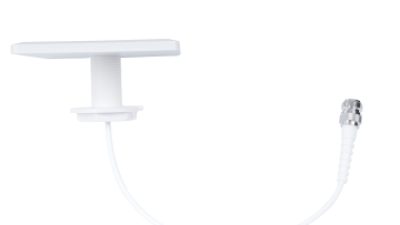
The wideband indoor omni antenna 600-6000MHz, model 970118XX, is designed to significantly enhance signal reception and connectivity across a vast frequency range. With its capability to operate within the 600-6000MHz spectrum, this antenna ensures compatibility with various wireless applications, from cellular networks to Wi-Fi. Its horizontal beamwidth of 360 degrees allows for comprehensive coverage, making it an ideal choice for environments where signals need to reach multiple directions without any dead zones.
In addition to its impressive range and coverage, this antenna boasts a gain of 2.0-5.5dBi, providing a substantial boost to signal strength. Its compact size and lightweight design further facilitate easy installation, enabling users to set it up with minimal effort. Whether it be for improving connectivity in residential spaces or enhancing network performance in commercial settings, this antenna serves as an efficient solution for anyone seeking reliable and enhanced wireless communication. Its user-friendly attributes make it an excellent addition to any indoor setup.
: Anxiety can stem from stress, traumatic events, or even genetics. The impact varies widely among individuals.
Techniques like deep breathing, exercise, and time management can help lower stress levels. Each method works differently for everyone.
Symptoms include persistent sadness, fatigue, and loss of interest in activities. Not everyone experiences all symptoms.
Good sleep supports cognitive function and emotional regulation. Poor sleep can worsen anxiety and depression.
Regular physical activity, a balanced diet, and social interaction can boost mood. Find what resonates with you personally.
Take a break. Engage in a hobby or talk to someone. Reflecting on feelings can provide clarity and relief.
The article "2026 How to Choose ODM and OEM Indoor DAS Services for Your Business?" provides a comprehensive guide for businesses looking to enhance their indoor wireless solutions. It begins by clarifying the distinctions between ODM (Original Design Manufacturer) and OEM (Original Equipment Manufacturer) services, emphasizing their implications for indoor Distributed Antenna Systems (DAS).
The outline proceeds to highlight the importance of assessing specific indoor DAS requirements and outlines key factors in selecting ODM services. It also evaluates the capabilities of OEM providers, comparing their pricing models and exploring the significance of customer support and service levels. Ultimately, the article aims to equip decision-makers with the necessary knowledge to choose the most suitable partner for their indoor DAS needs, ensuring optimal performance and reliability in their business environments.