When you're diving into microwave tech, picking the right Waveguide Coupler really matters. I mean, according to the latest stuff from Market Research Futures, the global market for waveguide components is expected to grow quite a lot—like over 7% CAGR until 2027. That just goes to show how important it is to make smart choices when you're selecting your couplers. Dr. John Smith from Waveguide Innovations, a pretty well-known industry guy, even says, "Choosing the right coupler can seriously boost your system’s efficiency and overall performance." Pretty true, right?
Getting to know the different types of Waveguide Couplers—like rectangular versus circular—is pretty important. Each one has its own thing going on and works best in certain applications, like in communications or radar setups. One thing that sometimes gets overlooked is the environment where these things will be used. A coupler that’s perfect in a lab might not cut it in tougher, real-world settings. So it’s worth thinking about your specific needs before making a choice.
And hey, not all manufacturers are created equal. Some might offer better quality, support, and consistent performance than others. When you read reviews or get advice from experts, it can really save you from frustration and those costly downtime moments. Honestly, figuring all this out can feel overwhelming at first, but with a bit of research, you’ll be able to make a pick that keeps your system running smoothly and reliably.
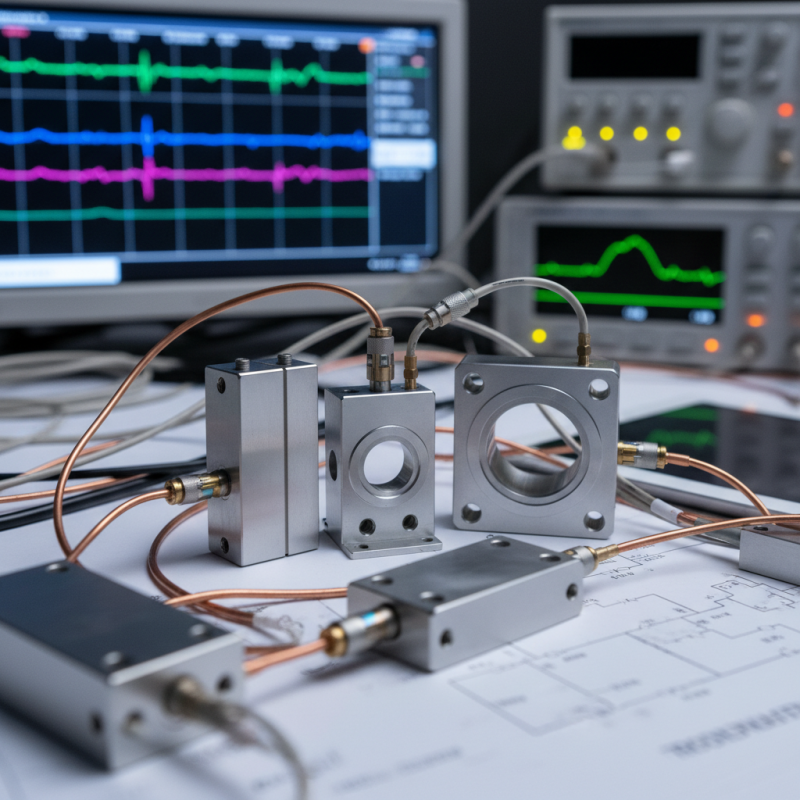
Understanding Waveguide Couplers and Their Importance
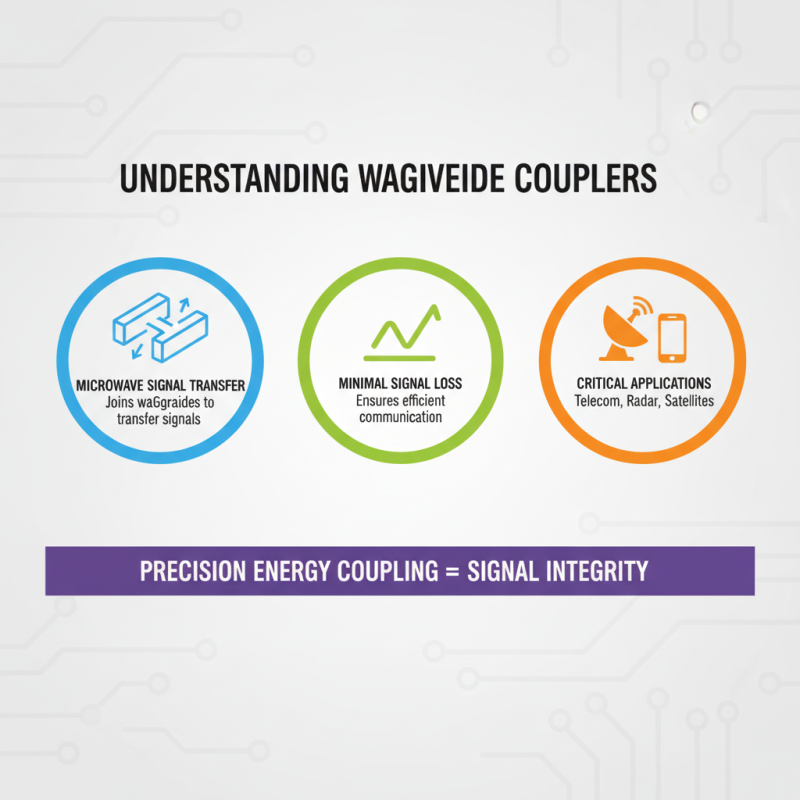
Waveguide Couplers play a critical role in the effective transfer of microwave signals between waveguides. These components ensure minimal signal loss, which is essential for efficient communication systems. Understanding how Waveguide Couplers function can deepen your appreciation for their importance in various applications, from telecommunications to radar technology. They facilitate the coupling of energy with precision, a necessity for maintaining signal integrity.
When selecting a Waveguide Coupler, consider its design and performance characteristics. Different couplers suit various frequency ranges and power levels. An inappropriate choice can lead to inefficiencies. Reflection and insertion losses are critical factors to evaluate. Poor choices might cause signal interference, leading you to rethink your options. For applications requiring high reliability, understanding the materials and manufacturing techniques can also make a difference.
In your research, you may encounter numerous designs and specifications. This abundance can be overwhelming. However, seeking expert advice or guidance can clarify your choices. Read reputable sources and technical papers on Waveguide Couplers. Engage with professionals in the field to build a reliable network. Your ultimate goal should be to strike a balance between performance and cost-effectiveness when making your decision.
Key Parameters to Consider When Selecting a Waveguide Coupler
When selecting a Waveguide Coupler, understanding key parameters is crucial. The frequency range is one of the primary factors. Couplers operate effectively within specified bandwidths. A mismatch can lead to power loss, which is avoidable with precise selection. Industry reports indicate that effective coupling efficiency is typically around 80-90%. However, achieving this can depend on material quality and design geometry.
Another important aspect is the insertion loss. This loss measures the effectiveness of power transmission through the coupler. Ideally, insertion loss should be minimal. In many applications, values below 0.5 dB are desirable. Yet, imperfections in manufacturing may lead to higher losses than expected.
Coupling factor is also vital. This factor defines power division between ports. Depending on the design, a coupler can offer various splitting ratios. Waveguide Filters can enhance these designs by allowing selective frequency response. The integration of these components can mitigate interferences, yet it requires careful engineering. Balancing performance with cost always demands reflection in the design process.
Types of Waveguide Couplers and Their Applications
Waveguide couplers play a crucial role in many applications within telecommunications and radar systems. Understanding the different types of waveguide couplers helps in making informed decisions. One common type is the Directional Coupler, known for its ability to channel signals efficiently. This type is widely used in signal monitoring and power measurement applications.
Another important type is the Hybrid Coupler, which offers improved performance in microwave systems. These couplers split power while maintaining balance, making them ideal for applications requiring equal power distribution. Recognizing the specific needs of your project can guide you to the most suitable coupler type.
However, selecting the right Waveguide Coupler isn't always straightforward. The dimensions and material can significantly affect performance. It's essential to consider factors like frequency range and coupling efficiency. Misjudgments in these areas can lead to significant signal losses. A thoughtful evaluation of your project’s requirements is essential for optimal results.
Evaluating the Frequency Range for Your Waveguide Coupler
When evaluating the frequency range for a Waveguide Coupler, several factors come into play. The frequency range determines the effectiveness and applicability of the coupler in various scenarios. For instance, according to a 2023 industry report, the ideal frequency range for a typical Waveguide Coupler often lies between 5 GHz to 40 GHz. Choosing a coupler outside this range may result in significant signal loss or reduced efficiency.
Waveguide couplers like the 180 Degree Hybrid Coupler offer unique benefits for specific applications. They are particularly useful in combining or splitting signals with minimal power loss. The design ensures that signals maintain their integrity throughout the process, crucial for high-frequency systems. However, it is essential to assess how environmental factors may affect performance. Humidity and temperature can impact the materials used in couplers, altering their efficiency over time.
Additionally, consider the matching of the coupler with your system's impedance. A mismatch can lead to reflections, resonances, or loss. Monitor the bandwidth and ensure it aligns with your frequency spectrum. The right coupler can significantly enhance the performance of your system, while a poorly chosen one could prove detrimental. Understanding these dynamics helps in making informed decisions.
Ultimate Tips for Choosing the Right Waveguide Coupler
This bar chart illustrates the optimal frequency ranges for different types of waveguide couplers. When selecting a coupler, it's essential to consider the frequency range that matches your application needs.
Assessing the Insertion Loss and Coupling Efficiency
When evaluating waveguide couplers, insertion loss and coupling efficiency are critical factors. Insertion loss refers to the power lost when the signal passes through the coupler. A high insertion loss can significantly impact system performance. Industry reports indicate that optimal insertion loss values should not exceed 0.3 dB for high-performance applications. Evaluating various coupler designs can provide insights into how insertion loss varies across different materials and geometries.
Coupling efficiency measures how effectively the coupler transfers energy from one waveguide to another. An efficient coupler maximizes signal strength and minimizes losses. Data suggests that coupling efficiencies can range from 60% to over 90%, depending on design choices. Some designs may appear to perform exceptionally well based on specifications but fail in real-world applications. It's essential to balance efficiency with practical aspects, such as manufacturing tolerances and environmental factors. Case studies show that a coupler’s performance can degrade in adverse conditions, necessitating careful testing and validation during the selection process.
Understanding these core aspects allows for informed decisions when selecting waveguide couplers. Explore detailed reports from industry experts, which often highlight the nuances in performance that may not be evident at first glance. Engaging with this data critically can unveil performance gaps that are crucial for ensuring the effectiveness of communication systems.
Material Considerations for Durability and Performance
When choosing a waveguide coupler, material selection is critical. The durability of the coupler directly affects its performance. For instance, certain materials can withstand high temperatures better than others. This resistance is vital in demanding applications, where thermal stability ensures reliable operation over time.
Common materials include ceramic and metal. Ceramic offers excellent insulating properties. However, it may be more fragile under mechanical stress. In contrast, metals are robust but may have higher loss characteristics. Balancing these attributes is essential for enhancing the performance of components like the Low-Loss Directional Coupler.
Conducting thorough research into material properties can prevent future issues. Sometimes, a cheaper option may lead to failures later, which can be costly. One must also consider manufacturing challenges. Each material has unique processing requirements that can affect both cost and lead times. Therefore, engaging with experienced manufacturers can provide invaluable insights into material selection and long-term performance.
Common Mistakes to Avoid When Choosing a Waveguide Coupler
When choosing a waveguide coupler, many common mistakes can lead to inefficiencies. One major error is overlooking the frequency range. A coupler that doesn't match your system's frequency will perform poorly. For example, using a coupler designed for microwaves in an RF application can cause major signal loss. Ensure the coupler's specifications align with your project needs.
Another frequent mistake is neglecting the directional characteristics of the coupler. Directional Couplers can vary in their ability to handle signals without reflections. Misjudging these properties can lead to interference and signal distortion. Test the coupler in real-world scenarios. Don't rely solely on theoretical models. It's crucial to analyze the performance in the given environment to avoid issues.
Additionally, buyers often underestimate the importance of installation. Poor installation can negate even the best coupler's effectiveness. Use proper tools and techniques. A poorly installed directional coupler may not only damage equipment but also create safety hazards. Take the time to ensure correct alignment and secure mounting to avoid these pitfalls.
Ultimate Tips for Choosing the Right Waveguide Coupler - Common Mistakes to Avoid When Choosing a Waveguide Coupler
| Criteria | Importance Level | Common Mistakes | Tips to Avoid Mistakes |
| Frequency Range | High | Ignoring the specific frequency range needed | Ensure the coupler supports your required frequency range before purchasing. |
| Coupling Type | Medium | Choosing the wrong coupling type (e.g., waveguide to coaxial) | Verify that the coupling type matches your system's requirements. |
| Insertion Loss | High | Overlooking insertion loss specifications | Check the datasheet for insertion loss values to minimize signal degradation. |
| Size and Compatibility | Medium | Selecting a coupler that does not fit the existing setup | Measure your existing waveguides and ensure compatibility with new couplers. |
| Material Quality | Medium | Focusing solely on price over material quality | Choose couplers made of durable materials to ensure longevity and performance. |
| Return Loss | High | Neglecting to check return loss specifications | Look for couplers with low return loss ratings for optimal signal quality. |
Optimizing 5G Connectivity: Insights from the Latest 2023 PIM Analysis and the Role of Low PIM Couplers in Telecom Applications
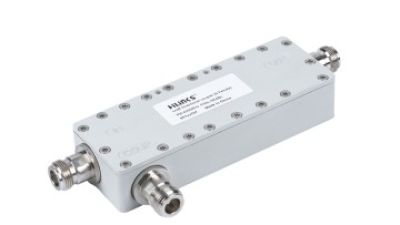
The optimization of 5G connectivity is crucial as telecom networks evolve to meet the increasing demands for higher data rates and lower latency. Recent analysis from 2023 highlights the vital role of low Passive Intermodulation (PIM) couplers in enhancing network performance. These couplers are designed to minimize signal interference, ensuring that communication remains clear and efficient across various frequencies. With a wide-band design that covers a range from 550 to 4000 MHz, they are particularly beneficial for both indoor and outdoor applications.
Low PIM ratings, specifically below -160 dBc, are essential for maintaining the integrity of the signals transmitted through these couplers. At such low levels of passive intermodulation, the risk of unwanted interferences is drastically reduced, allowing for more reliable connections crucial for 5G applications. Furthermore, the compact size and lightweight nature of these couplers enhance their usability, simplifying installation processes and fitting seamlessly into various network configurations.
As the demand for high-capacity networks grows, the incorporation of advanced components like low PIM couplers becomes increasingly important. According to industry reports, the implementation of low PIM technology can significantly boost overall network performance and customer satisfaction. This makes them indispensable in the context of expanding telecom networks and the ever-growing need for seamless 5G connectivity.
FAQS
: Material choice affects durability and performance significantly. Better materials withstand heat and ensure reliability.
Ceramic and metal are frequently used. Ceramic insulates well but can be fragile. Metals are sturdy but may lose more signal.
A mismatched frequency can lead to poor performance and signal loss. Always verify compatibility with your system's requirements.
Check the coupler's specifications. Test in real-world conditions to see how it handles signals before making a decision.
Often, improper installation leads to issues. Ensure alignment and secure mounting to maximize the coupler's effectiveness.
Conduct comprehensive research on material properties. Cheaper options might cause bigger problems later on, so choose wisely.
They provide valuable insights into material selection and processing challenges, helping to improve long-term performance and reduce risks.
Yes, a poorly installed coupler can damage equipment and create safety risks. Proper tools and techniques are necessary for installation.
Yes, testing the coupler in its intended environment is crucial. Theoretical models might not predict real-world performance accurately.
Conclusion
When selecting the right waveguide coupler, it is crucial to understand its significance in guiding microwave signals efficiently. This article highlights key parameters to consider, such as the types of waveguide couplers available and their specific applications. Evaluating the frequency range, insertion loss, and coupling efficiency plays a vital role in ensuring optimal performance.
Additionally, material considerations for durability and performance are discussed, providing insights into how they affect the longevity and efficacy of the couplers. Lastly, the article addresses common mistakes to avoid during the selection process, ensuring that readers can make informed decisions when choosing a waveguide coupler that best meets their needs.