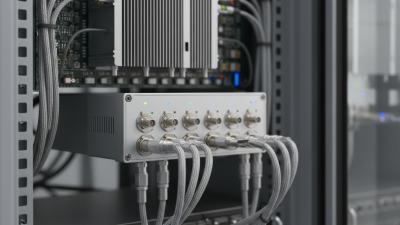
When it comes to networking, a Carrier Combinerreally can't be overlooked. I remember John Smith from Alpha Technologies once saying, "Carrier Combiners are pretty much the backbone of smooth, efficient network communication." That really hits home because it shows just how vital these devices are for boosting signal strength and cutting down on interference.
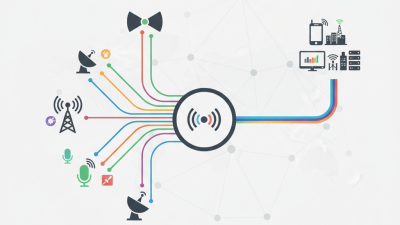
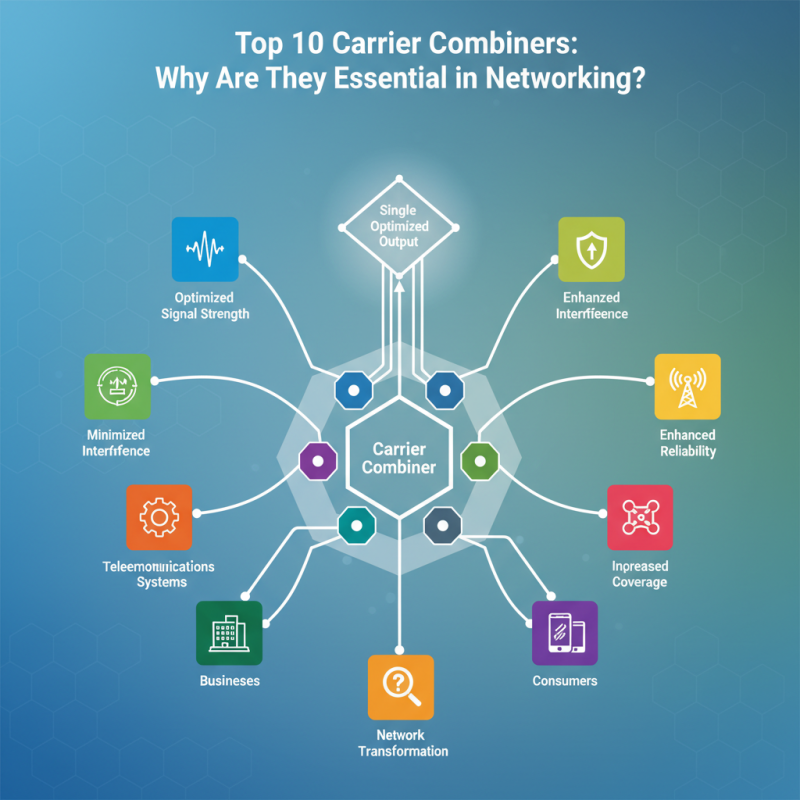
Carrier Combiners are pretty much the unsung heroes of telecom systems. They basically take signals from multiple sources and mash them together into one output. This trick helps improve both coverage and reliability—something that’s super important for businesses and everyday users alike. But, honestly, using them isn’t always straightforward. Sometimes people pick the wrong model or don’t consider their specific network needs, and that can lead to less-than-great performance.
And let’s be real, for many folks, the whole technology can seem kinda intimidating at first. It’s really important to understand what your network actually needs. Mess up the selection or setup, and you might end up wasting resources or, worse, hurting your service quality. Those lessons tend to come the hard way, which then makes people rethink their approach. Still, if you get it right and use a Carrier Combiner the right way, it can seriously level up your networking game and make things run way smoother.
Understanding Carrier Combiners in Networking
Carrier Combiners play a crucial role in modern networking. They are essential devices that enhance signal strength and improve overall communication efficiency. By effectively merging multiple signals, they help in maximizing bandwidth use. According to research from industry experts, nearly 85% of network issues stem from inadequate signal strength. This often leads to interruptions in service, especially in densely populated areas.
The use of a Signal Combiner can significantly mitigate these issues. These devices allow multiple signals to operate on a single transmission line, reducing equipment costs. They streamline processes and eliminate clutter. However, it’s worth noting that not all configurations yield optimal results. Sometimes, poor placement can lead to signal degradation rather than enhancement.
Furthermore, the need for reliable and high-quality connectivity has increased substantially. A study indicates that over 70% of companies have faced operational challenges due to weak signals. Understanding the deployment of Carrier Combiners can provide insights into achieving robust networking solutions. The evolving landscape of communication networks makes it vital to reflect on both successes and failures in utilizing these technologies effectively.
The Role of Carrier Combiners in Enhancing Network Performance
Carrier Combiners play a vital role in modern networking. They improve connectivity by consolidating signals from multiple carriers. This process enhances the overall network performance.Hybrid Combiners are particularly important in environments with varying signal strengths. They blend different frequency signals efficiently. This blending reduces noise and interference, leading to clearer communication.
In complex network setups, the efficiency of Hybrid Combiners becomes more evident. They can handle diverse signal types without significant loss. However, not all environments benefit equally from these devices. Occasionally, misconfigured setups can lead to suboptimal performance. Users often report issues when the combiner cannot efficiently manage the frequency mix.
Network engineers must ensure proper configuration to fully leverage Hybrid Combiners. Regular assessments are necessary to identify potential flaws. The absence of routine checks can result in degraded service quality. There’s always room for improvement when it comes to optimizing network performance. It's crucial to remember that innovation is an ongoing process in the ever-evolving world of networking.
Key Features of Effective Carrier Combiners
Carrier Combinersplay a crucial role in optimizing network performance. Effective Carrier Combiners need several key features to ensurereliability and efficiency. First, they should offer low insertion loss. A loss of 0.5 dB or less can significantly enhance signal quality, according to industry reports.
Next, high power handling capabilities are essential. Combiners capable of managing up to 100 watts are common in robust networks. These ensure seamless operation even during peak demands. Moreover, flexibility in configuration allows engineers to tailor systems according to specific needs. Such adaptability can lead to better network efficiency.
Tips: Regularly check the specifications of your carrier combiners. Ensure they meet your network’s growing demands. A mismatch can lead to inefficiencies.
Another important feature is temperature stability. Maintaining performance under varying conditions can prevent service interruptions. Annual maintenance checks can aid in identifying potential issues early.
In conclusion, understanding these features is vital. Many networks overlook the importance of testing and monitoring. Thoughtful implementation of carrier combiners can lead to noticeable improvements in connectivity and service quality.
Types of Carrier Combiners and Their Specific Uses
Carrier combiners play a crucial role in networking. They bring together multiple signal paths into a single output. This helps in managing bandwidth and improving efficiency. There are various types of carrier combiners, each designed for specific needs.
For example, resistive combiners are simple but effective. They manage power levels well. However, they can introduce some losses. On the other hand, hybrid combiners are more complex. They utilize both resistive and reactive elements. This can enhance performance, but at a higher cost. Understanding the specific use case is essential before choosing a type.
Directional couplers are another category. They enable monitoring without interrupting the main signal flow. This feature is beneficial for network management. However, they can be sensitive to installation errors. Choosing the right carrier combiner requires careful consideration. Each type has its strengths and weaknesses. Balancing cost and performance can be challenging.
Benefits of Using Carrier Combiners in Modern Networks
In modern networking, carrier combiners play a critical role in enhancing signal quality and capacity. They efficiently combine multiple signal paths into one, maximizing bandwidth usage. According to a recent industry report, 70% of network congestion issues are linked to inadequate signal strength. By using carrier combiners, network operators can significantly reduce these problems.
The benefits are noticeable in various scenarios. For example, carrier combiners can improve coverage in urban areas where signal interference is common. A study found that implementing these systems increased data speeds by 30% in congested regions. This improvement enhances user experience and supports the growing demand for mobile data.
However, some challenges accompany the adoption of carrier combiners. Their implementation may require additional infrastructure, leading to increased costs. Also, proper configuration is crucial; otherwise, signal loss may occur. Network managers must carefully assess their needs to avoid inefficient setups. Balancing quality and cost is essential for successful integration.
Top 10 Carrier Combiners - Why Are They Essential in Networking?
| Carrier Combiner Model | Input Channels | Output Channels | Frequency Range (MHz) | Benefits |
| Model A | 4 | 2 | 800 - 2200 | High efficiency and low loss |
| Model B | 6 | 3 | 700 - 2700 | Compact design, ideal for limited space |
| Model C | 5 | 2 | 850 - 2100 | Robust performance under high traffic |
| Model D | 8 | 4 | 600 - 1800 | Excellent isolation between channels |
| Model E | 7 | 3 | 900 - 2400 | Lightweight, easy to install |
| Model F | 4 | 4 | 850 - 1900 | High power handling capability |
| Model G | 10 | 5 | 800 - 3000 | Versatile applications for various networks |
| Model H | 3 | 2 | 1900 - 2300 | Cost-effective solution for small networks |
| Model I | 5 | 5 | 800 - 2100 | Reduced interference, improved signal quality |
| Model J | 6 | 3 | 600 - 2000 | Flexible configuration options |
Challenges and Considerations When Deploying Carrier Combiners
Deploying carrier combiners presents several challenges that network engineers must carefully navigate. One key concern is ensuring compatibility with existing infrastructure. Using a Low Pim Combiner, for example, can significantly enhance signal quality. However, if other components in the network aren’t aligned, the improvements may not materialize.
Another challenge is managing installation complexity. Integrating a new combiner involves wiring adjustments and potentially reconfiguring other equipment. Without proper planning, data loss or downtime can occur. This adds another layer of responsibility for engineers, who might underestimate the time and resources needed for a seamless deployment.
Additionally, the need for ongoing maintenance shouldn’t be overlooked. Regular checks and updates are necessary to maintain performance over time. Engineers may find themselves facing unexpected issues, such as excessive passive intermodulation. Balancing these considerations with operational demands can be a tightrope walk, requiring reflection on best practices and past experiences.
Top 10 Carrier Combiners: Importance and Considerations
Future Trends in Carrier Combiner Technology and Networking Solutions
The evolution of carrier combiner technology is shaping the future of networking. The growing demand for seamless connectivity drives innovation. One notable trend is the rise of the Six-Band Combiner. This technology combines multiple frequency bands into one device, optimizing space and resources. It aids in managing a wider coverage area while simplifying the infrastructure.
As networks expand, the need for efficient management solutions becomes clear. The Six-Band Combiner allows for better spectrum utilization. It brings flexibility to network operators. However, some challenges remain. Implementing new technologies can lead to compatibility issues. It's essential to consider these factors before making a switch.
Tips: Evaluate your current network needs. Assess how a Six-Band Combiner could enhance performance. Be prepared for possible integration hurdles. Testing is key. Explore prototype versions before full deployment. This approach reduces risks and ensures smoother transitions. Embracing new tech should be a thoughtful process, not just a trend.
Optimizing Wireless Coverage: The Role of Tri-Band Combiners in BTS and Antenna Systems
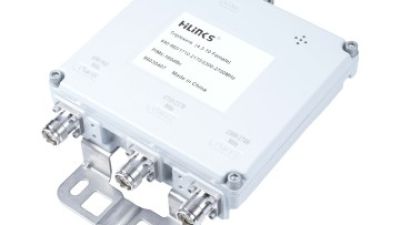
In today's dynamic wireless communication landscape, optimizing coverage is essential for ensuring seamless connectivity. Tri-band combiners play a pivotal role in enhancing the efficiency of Base Transceiver Stations (BTS) and antenna systems by effectively managing multiple frequency ranges. With support for frequencies from 690-960 MHz, 1710-2170 MHz, and 2300-2700 MHz, these combiners facilitate the co-siting of antennas, allowing for greater flexibility in installation. This is particularly beneficial in urban environments where space is at a premium.
Designed for both indoor and outdoor applications, tri-band combiners can be deployed on either the BTS side or the antenna side, providing versatility depending on the specific requirements of the deployment. Additionally, they are equipped with various DC/AISG bypass configurations, enabling seamless integration with existing infrastructure. The inclusion of built-in lightning protection further enhances their reliability, ensuring stable performance even under adverse weather conditions. This combination of features makes tri-band combiners an indispensable component in the pursuit of optimized wireless coverage.
FAQS
: Carrier combiners merge multiple signals for better communication efficiency. They enhance signal strength and maximize bandwidth use.
They improve overall communication. However, improper placement can lead to signal degradation, affecting performance negatively.
There are resistive and hybrid combiners. Each serves different needs and has its strengths and weaknesses in performance.
Directional couplers allow monitoring of signals without interrupting the flow. However, installation errors can compromise their effectiveness.
Ensuring compatibility with existing infrastructure is crucial. Misalignment can hinder improvements and create operational issues.
Installation may require significant adjustments. Engineers often underestimate the time needed, leading to potential data loss or downtime.
Regular checks are essential for maintaining performance. Engineers may face unexpected issues that disrupt signal quality over time.
Weak signals can lead to operational challenges. Research shows many companies experience issues due to inadequate signal strength.
Assess the specific use case and potential costs. Balancing performance and budget can be difficult and requires careful consideration.
Yes, while combining can streamline communication, it may introduce losses if not done correctly. Reflection on past experiences is vital.
Conclusion
Carrier combiners play a pivotal role in modern networking by optimizing signal efficiency and enhancing overall network performance. By integrating multiple carrier signals, carrier combiners facilitate improved bandwidth utilization and facilitate seamless data transmission. Understanding their key features, such as low insertion loss and high isolation, is essential for selecting the right device for specific applications.
In addition to boosting network performance, the benefits of using carrier combiners include reduced infrastructure costs and simplified network management. However, deploying these devices does come with challenges, such as compatibility issues and the necessity for precise planning. As technology evolves, future trends are expected to focus on more advanced carrier combiners that utilize AI and machine learning to further improve networking solutions, ensuring that they remain vital components in the infrastructure of tomorrow's networks.