As the demand for more advanced signal processing tech keeps growing, Tunable Bandpass Filters are becoming more and more important across a bunch of different applications—think telecoms and modern wireless systems alike. Industry expert Dr. Emily Carter from Frequency Solutions Inc. really emphasizes why these filters matter, saying, "Being able to fine-tune the frequency selection is what makes high-performance signal processing systems stand out." Honestly, that really shows the huge impact these filters have in improving how accurately and efficiently we can discriminate between frequencies.
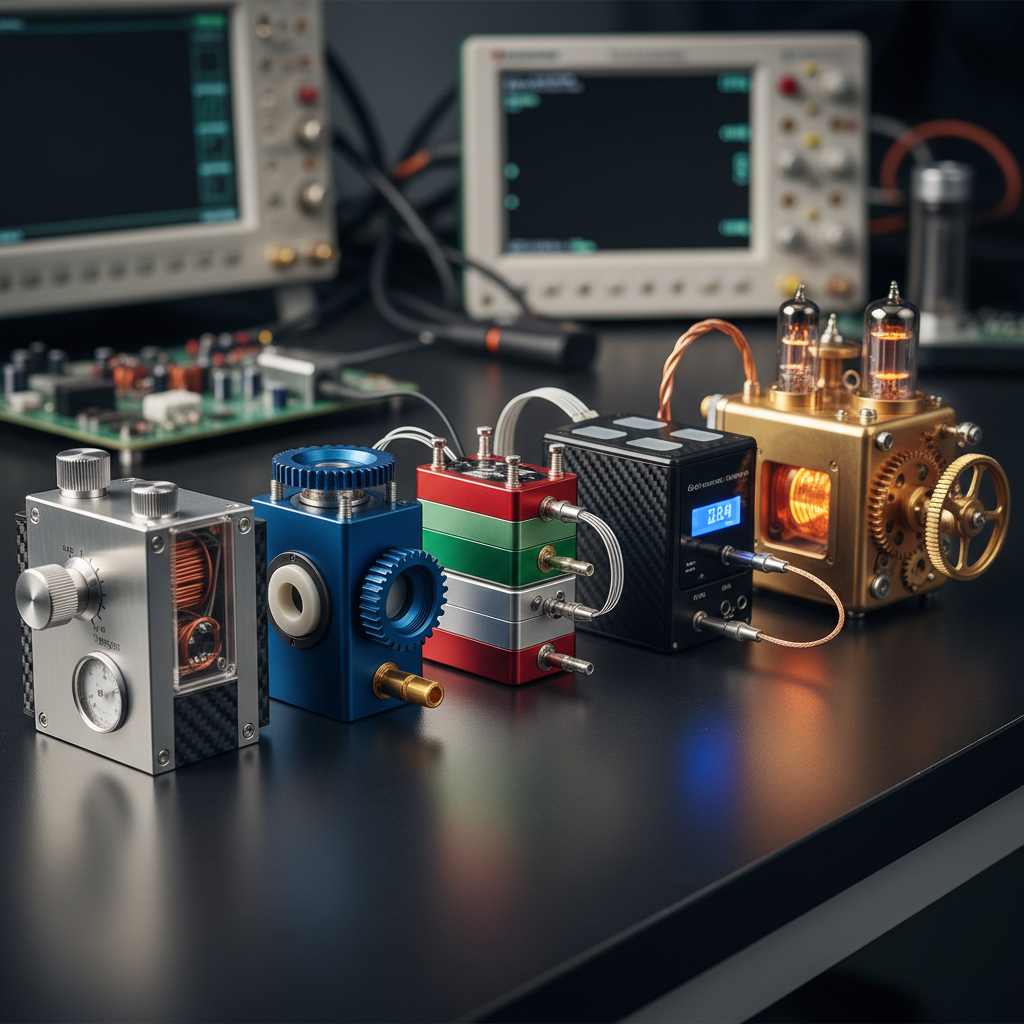
In this fast-changing world of electronic communication and signal management, picking the right components can seriously make or break your system’s performance. The leading players in the Tunable Bandpass Filter market are designed to meet tight requirements—balancing size, efficiency, and flexibility. The ‘2025 Top 10’ list doesn’t just showcase these cutting-edge technologies; it also gives us a sneak peek into what the future holds for frequency selection. As the industry keeps moving forward, these innovations promise to bring more reliability and versatility, giving engineers and designers the best tools to keep communication clear and signals accurate.
Benefits of Tunable Bandpass Filters in Modern Communication Systems
In modern communication systems, Tunable Bandpass Filters play a crucial role in enhancing frequency selection, ensuring optimal signal clarity and reliability. These filters allow for precise control over bandwidth, enabling systems to adapt to varying signal conditions and interference levels. As a result, they contribute significantly to the performance of Distributed Antenna Systems (DAS) and Base Transceiver Station (BTS) systems, which are essential for effective wireless communication.
Hilinks Technology Co., Ltd., established in Shenzhen in 2008, specializes in manufacturing advanced RF products that leverage the benefits of Tunable Bandpass Filters. By integrating these filters into their designs, Hilinks enhances the flexibility and efficiency of communication networks, enabling operators to maintain high-quality service amidst dynamic frequency environments.
**Tips:** When selecting Tunable Bandpass Filters, consider factors such as the filter's tuning range, insertion loss, and overall design efficiency. It's also crucial to evaluate how well the filters fit into your existing system architecture. Proper integration can lead to significant improvements in signal integrity and network performance.
Key Performance Metrics for Selecting High-Quality Tunable Bandpass Filters
When selecting high-quality Tunable Bandpass Filters, several key performance metrics come into play that can significantly impact application outcomes. The insertion loss, typically measured in decibels (dB), is crucial for determining the filter's efficiency. According to a report by Markets and Markets, filters with an insertion loss of less than 2 dB are considered optimal for most communications applications, ensuring maximum signal integrity while minimizing power loss.
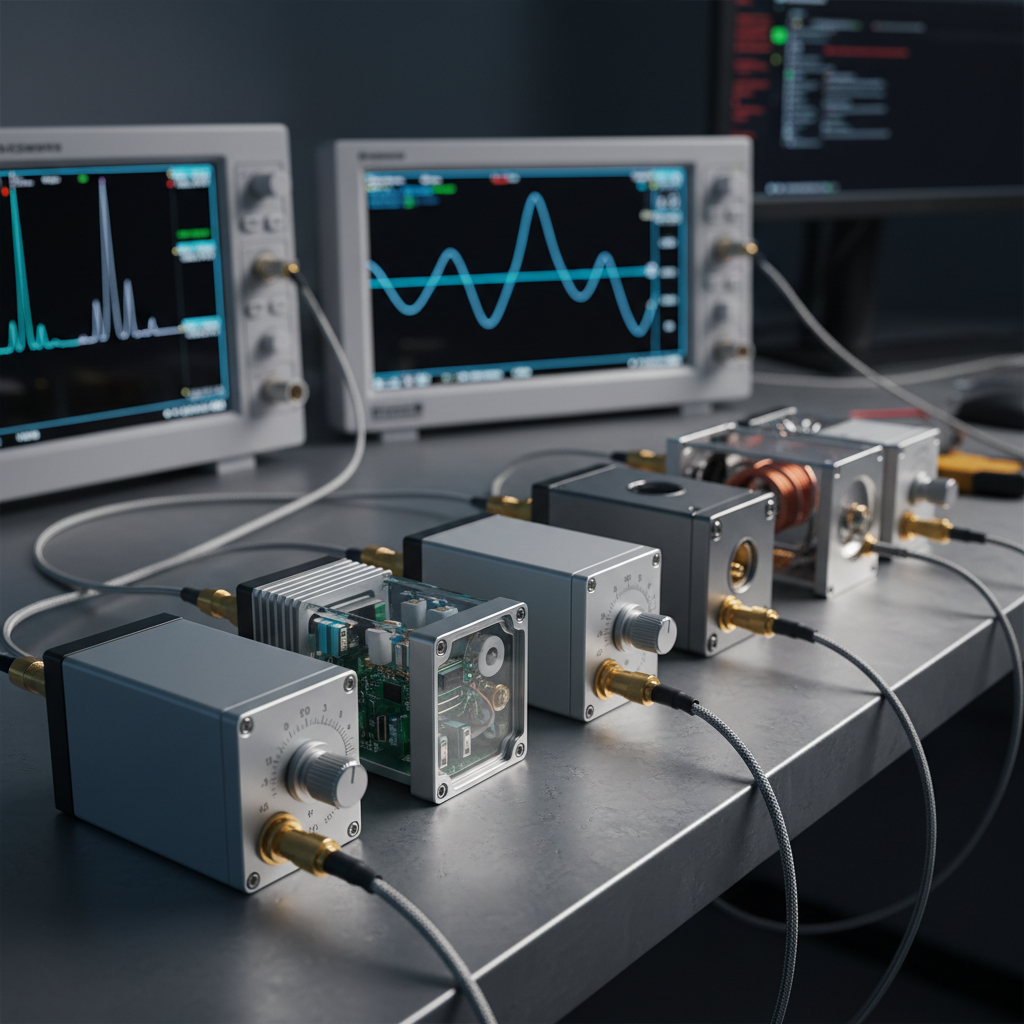
Another vital metric is the tuning range, which indicates the filter's capability to adjust frequency without degrading performance. Industry-leading filters often offer tuning ranges exceeding 30% of the center frequency, which is particularly important in dynamic environments such as software-defined radio (SDR) systems. A study by the International Journal of RF and Microwave Computer-Aided Engineering highlights that devices with wider tuning ranges provide enhanced flexibility in frequency selection, thus accommodating a broader spectrum of applications, from telecommunications to instrumentation.
Phase noise is also an essential consideration, particularly in high-precision applications. Filters with low phase noise, typically below -100 dBc/Hzat 10 kHz offset, ensure better signal clarity and lower interference. Evaluating these performance metrics is crucial for engineers in selecting the right Tunable Bandpass Filters that meet their specific needs while adhering toindustry standards.
Innovative Technologies Driving Advances in Tunable Bandpass Filter Designs
The rapid advancement of technologies in the field of Tunable Bandpass Filters is pivotal in enhancing frequency selection for various applications, such as telecommunications and sensing. Recent innovations, such as tunable terahertz filters utilizing graphene and advanced designs featuring magnetostatic wave resonators, demonstrate the industry's push towards achieving greater flexibility and performance. According to industry reports, the market for tunable filters is expected to grow significantly, driven by an increasing demand for high-performance communication systems.
One exciting development is the introduction of a wideband controllable bandpass filter that leverages spoof surface plasmon polaritons (SSPP). This design not only improves frequency selectivity but also offers a compact form factor, essential for modern electronic devices. In addition, low-loss tunable millimeter-wave filters, utilizing spherical dielectric resonators, promise to enhance efficiency in high-frequency applications.
Tips:When selecting a Tunable Bandpass Filter, consider factors such asfrequency range, insertion loss, and physical dimensions to ensure compatibility with your system requirements. Additionally, explore innovative designs like angle-tuned thin-film interference filters for specific applications in spectral imaging, as they provide tailored solutions that meet stringent performance criteria. By staying informed about the latest technologies, you can make more educated decisions about the optimal filter for your needs.
Market Trends: Growing Demand for Tunable Filters in RF Applications
The market for Tunable Bandpass Filters is witnessing significant growth, primarily driven by the increasing demand for advanced radio frequency (RF) applications. As wireless communication technology evolves, the necessity for precise frequency selection has become paramount. Industries such as telecommunications, aerospace, and automotive are pushing the envelope, necessitating more adaptable filtering solutions that can handle a range of frequencies with enhanced selectivity and efficiency.
The surge in smart devices and the rollout of next-generation networks like 5G are further fueling this trend. Tunable filters play a crucial role in minimizing interference and improving signal quality, making them indispensable in modern RF systems. Manufacturers are responding to this demand by developing innovative designs that offer wider tuning ranges, improved performance, and integration capabilities. This growing focus on tunability not only enhances the functionality of RF applications but also drives competition within the market, leading to more sophisticated and versatile filtering solutions for diverse technological landscapes.
Comparative Analysis of Top 5 Tunable Bandpass Filters in Terms of Frequency Range
In the realm of RF and microwave applications, tunable bandpass filters play a crucial role in enhancing frequency selection, enabling systems to maintain performance even in crowded spectral environments. Recent industry reports indicate that the demand for tunable filters is expected to grow at a CAGR of 10.5% from 2023 to 2028, primarily driven by advancements in telecommunications and the increasing need for versatile solutions in radar and satellite communications.
The comparative analysis of the top five tunable bandpass filters reveals significant variations in their frequency ranges. For instance, the Microstrip Bandpass Filter operates effectively within a range of 1 GHz to 3 GHz, making it ideal for GSM applications. Conversely, the more sophisticated digitally tunable filters, such as those developed by Analog Devices, boast frequency ranges from 2 GHz up to 6 GHz, catering to modern broadband communication standards. Additionally, recent innovations in ceramic-based filters have expanded the frequency range capabilities across various manufacturing processes, offering improved stability and lower insertion loss, enhancing overall system performance.
With these insights, engineers and product designers can make informed decisions when selecting tunable bandpass filters that best meet their operational needs, ensuring optimized frequency management in an ever-evolving technological landscape.
Real-World Applications: How Tunable Bandpass Filters Optimize Signal Processing
Tunable bandpass filters play a crucial role in optimizing signal processing across various real-world applications by allowing precise control of frequency selection. In telecommunications, for instance, these filters are employed to enhance signal clarity, allowing for more effective transmission and reception of data. By dynamically adjusting the filter's bandwidth, engineers can minimize noise and interference, ensuring that the desired signals are transmitted with maximum fidelity.
Moreover, tunable bandpass filters are essential in medical imaging technologies, such as magnetic resonance imaging (MRI). These filters enable the selection of specific frequency bands associated with different tissues and structures, enhancing image contrast and resolution. As a result, medical professionals can obtain more accurate diagnoses and insights from imaging scans. Additionally, in the field of audio engineering, tunable bandpass filters help shape sound characteristics by isolating certain frequencies, which is vital for music production and broadcasting. By utilizing these filters, sound engineers can create a cleaner, more pleasing audio experience.
Exploring the Advantages of the Rugged RF Filter with Lightning Protection and Low Insertion Loss 96332166
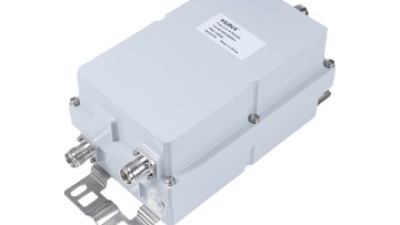
The Rugged RF Filter, particularly the model featuring lightning protection and low insertion loss (96332166), is designed to operate effectively within the pass band of 703-803 MHz and 885-960 MHz. This wide frequency range makes it an ideal choice for both indoor and outdoor applications, ensuring that users have a reliable communication system across various environments. According to industry reports, filters with low insertion loss can achieve efficiencies exceeding 0.5 dB, which is crucial for minimizing signal degradation and maximizing performance in high-demand situations.
One of the standout features of this filter is its built-in lightning protection, which addresses a significant concern for outdoor installations. A 2022 report from the National Lightning Safety Institute found that nearly a quarter of all lightning-related incidents occur in outdoor electrical systems, underscoring the necessity for robust protection mechanisms in RF devices. Additionally, the ability to mount this filter on a wall or pole enhances its versatility, allowing for seamless integration into both urban and rural infrastructures. This adaptability not only streamlines installation processes but also ensures that the RF filter remains operational in diverse conditions, thus supporting critical communication networks.
FAQS
: The demand for tunable filters is expected to grow at a CAGR of 10.5% during this period.
The Microstrip Bandpass Filter operates effectively within a frequency range of 1 GHz to 3 GHz.
The Microstrip Bandpass Filter is ideal for GSM applications.
Digitally tunable filters, such as those from Analog Devices, can operate within a frequency range from 2 GHz up to 6 GHz, which caters to modern broadband communication standards.
Ceramic-based filters offer improved stability and lower insertion loss, enhancing overall system performance.
Tunable bandpass filters are crucial in telecommunications, medical imaging technologies like MRI, and audio engineering.
They enhance signal clarity and allow for effective transmission and reception of data by minimizing noise and interference.
They enable the selection of specific frequency bands associated with different tissues and structures, enhancing image contrast and resolution.
They help shape sound characteristics by isolating certain frequencies, vital for music production and broadcasting.
It allows engineers to optimize performance by minimizing noise and ensuring the desired signals are transmitted with maximum fidelity.
Conclusion
Tunable Bandpass Filters play a crucial role in modern communication systems, offering significant benefits such as enhanced frequency selection and improved signal processing. With the advancement of innovative technologies, these filters are becoming essential in RF applications, reflecting a growing market demand. Key performance metrics, including frequency range and selectivity, are vital when selecting high-quality tunable filters, ensuring optimal functionality for Distributed Antenna Systems (DAS) and Base Transceiver Station (BTS) systems.
In a comparative analysis of the top five tunable bandpass filters, various design innovations are highlighted, showcasing their effectiveness in real-world applications. Companies like HiLinks Technology Co., Ltd. are at the forefront of this evolution, manufacturing advanced RF products that meet the increasing needs of modern communication infrastructure. Their commitment to quality has positioned them as a leader in the industry, driving the adoption of tunable bandpass filters across diverse applications.